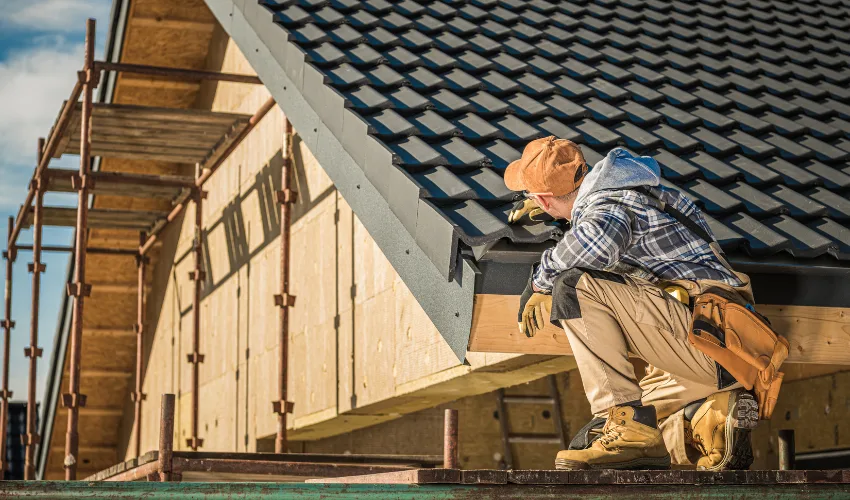
When you call on Lehigh Gap roofers for a roof inspection PA, it’s more than just a cursory glance at your shingles. It’s a comprehensive, expert evaluation designed to protect your home, prevent expensive repairs, and give you clarity and peace of mind. This guide walks you through everything to expect—from scheduling to the final report.
Why Roof Inspections Are So Important for Pennsylvania Homes
Roofs are our first line of defense against the elements—snow, rain, wind, UV rays, and temperature swings. In Pennsylvania, especially during winter freezes and summer storms, conditions strain roofing systems in ways we often don’t notice until damage becomes serious. That’s where routine roof inspection PA services come in.
Professionals like Lehigh Gap provide early leak detection, prevent structural damage, and extend your roof’s lifespan—safeguarding both your home and your budget. They’ll also help maintain your warranties and smooth insurance processes, thanks to documented inspection records.
When Should You Schedule a Roof Inspection?
Annual inspections are generally recommended—but there are other key times to have Lehigh Gap roofers take a look. Schedule an inspection:
- When your roof approaches 10–15 years old
- After major storms with high winds, hail, or ice
- If you’re seeing damage (loose shingles, leaks, etc.)
- Before winter or after completing a renovation
This schedule fits perfectly into an annual maintenance routine, particularly for busy homeowners in Pennsylvania.
Step-by-Step: What Happens During a Roof Inspection
1. Scheduling & Preparation
Once you reach out—whether for repairs, listing prep, or routine maintenance—Lehigh Gap sets up a convenient time. Prior to arrival, ensure your gutters are clear and access points are safe. The crew will arrive equipped with ladders, safety gear, and tools.
2. Exterior & Ground-Level Assessment
The inspection begins outside. Using binoculars, the pros scan for curled shingles, damaged flashings, or buildup in drains—key items on the roof inspection checklist that indicate storm or age-related wear.
3. Close-Up Rooftop Inspection
Lehigh Gap roofers carefully climb your roof—where safe—to examine details such as:
- Shingle condition (cracks, granule loss, warping)
- Flashing around chimneys, vents, and walls
- Penetrations like skylights and plumbing vents
- Gutters, downspouts, and drainage functionality
This phase ensures water is being effectively shed from your roof.
4. Attic & Interior Inspection
Inside, the attic becomes a critical second front line. Inspectors check for water staining, mold, rotted boards, and ventilation or insulation issues that point to hidden water ingress or heat exchange problems.
5. Structural & Safety Evaluation
Lehigh Gap roofers go further by evaluating the structural integrity of the roof deck and components—identifying sagging boards, compromised decking, or areas susceptible to snow, wind, or ice damage.
6. Detailed Report & Recommendations
After the inspection, you’ll get a thorough, easy-to-understand report. It includes photos, detailed findings, and a tiered action plan—what needs attention now, soon, or can wait.
What’s Included in the Roof Inspection Checklist
Lehigh Gap’s roof inspection checklist follows best practices in the field. Here are some of the key areas they evaluate:
- Shingles and granule loss
- Flashing and penetrations (e.g., vents, skylights)
- Chimneys, step/counter flashings
- Gutters, downspouts, and drainage
- Ventilation, attic moisture, insulation integrity
- Roofing deck and substructure
- Soffits, fascia, and eaves
- Exterior elements like sagging boards, moss, and buildup
Drawing from InterNACHI and industry best practices, this checklist ensures nothing goes unnoticed.
Benefits of a Professional Roof Inspection from Lehigh Gap
A routine roof inspection PA offers tangible advantages:
- Early issue detection keeps minor problems small
- You avoid expensive teardown and rescue repairs
- Inspection documentation supports insurance claims
- Boosts home value and demonstrates care to prospective buyers
- Extends the roof’s lifespan through proactive service
- Prioritizes safety by using trained professionals
What You Should Expect in Your Homeowner Experience
During a Lehigh Gap inspection, expect transparency and education. They explain the process, maintain clean work areas, prioritize safety, and walk you through the report—ensuring you fully understand your roof’s condition and next steps.
With deep roots in Pennsylvania, Lehigh Gap roofers understand local regulations, climate nuances, and typical roofing challenges. Expect personalized recommendations tailored to your home’s style, materials, and history.
Sample Homeowner Story: Turning Inspection into Insight
Take the Smith family as an example. After noticing a few loose shingles, they booked an inspection. Within hours, Lehigh Gap documented minor flashing gaps, attic moisture, and moss accumulation. A prioritized repair plan included flashing resealing, moss removal, and improved attic ventilation. The result? No leaks all winter, lower heating bills, and total peace of mind.
The Seasonal Impact on Roof Inspections in Pennsylvania
One of the often-overlooked aspects of a roof inspection PA is how much the season impacts both the findings and the urgency of recommended repairs. In spring, roofers may identify damage caused by ice dams or snow buildup from winter. In summer, UV rays and heavy thunderstorms reveal different vulnerabilities, such as cracked shingles or warped decking. Fall is especially critical because inspectors can catch problems before the first frost makes repairs more difficult. Winter inspections, while still possible, are generally more about emergency situations. By having Lehigh Gap roofers perform a seasonal inspection, homeowners in the Lehigh Valley can stay one step ahead of nature’s cycles instead of reacting after the fact.
The Role of Technology in Roof Inspections
Another exciting development in modern roofing is the use of technology to enhance the roof inspection checklist. Lehigh Gap Exteriors can incorporate tools like drone imaging for difficult-to-access roofs, thermal cameras to detect hidden leaks, and digital photo documentation that provides homeowners with a clear visual of problem areas. These tools don’t just improve accuracy—they also create a permanent record of your roof’s health over time. Having a digital timeline of your roof inspections can be incredibly valuable when filing insurance claims or negotiating a home sale, offering proof that your roof has been properly maintained by PA roofing experts.
Insurance and Roof Inspections: Why Documentation Matters
Many homeowners don’t realize the financial implications of a professional roof inspection PA. Insurance companies often require proof of regular maintenance when homeowners file storm damage claims. A detailed inspection report from Lehigh Gap roofers can be the difference between a denied claim and thousands of dollars covered for repair or replacement. Inspections also uncover pre-existing issues, so you’re not blindsided by disputes with your insurer after a storm. In this sense, scheduling a roof inspection isn’t just about preventing leaks—it’s about protecting your wallet from unexpected financial strain.
Roof Inspections and Home Resale Value
If you’re considering selling your home in the near future, a recent roof inspection checklist can be one of your strongest selling tools. Buyers in Pennsylvania markets like the Lehigh Valley or Bucks County often ask about roof condition because they know replacement costs can be significant. When you can present a professional report showing that Lehigh Gap roofers inspected your roof, made necessary repairs, and verified its condition, you instantly boost buyer confidence. This can shorten time on the market and potentially increase your asking price.
Why Trust Lehigh Gap Exteriors with Your Roof
Finally, while many companies offer inspections, not all bring the same level of care and regional expertise. Lehigh Gap Exteriors understands the unique roofing challenges of Eastern Pennsylvania—from heavy snowfalls in Luzerne County to humid summers in Montgomery County. Their knowledge of local architecture and climate patterns means their inspections are more than just box-checking—they’re tailored evaluations designed to keep your home safe year-round. Choosing the right team ensures that your roof inspection PA experience is not only thorough but also backed by years of trusted service in your own community.
Making Roof Inspections Count
Professional inspections are more than a home maintenance task—they’re investments in safety, long-term home value, and budget control. With Lehigh Gap’s transparent and expert approach, every phase—from ground assessment to attic review to strategic report—provides clarity and direction.
Don’t wait for damage to surface! Schedule your roof inspection PA today, and enter winter with confidence, clarity, and a trusted team beside you.


