Menu

FROM THE BLOG

Siding Repair vs. Replacement: What’s Best for Older Homes in Pike County?

Deciding whether to patch up your siding or invest in a full replacement can feel overwhelming—especially for older homes in Pike County. With historic character, diverse architectural styles, and a unique climate mix of humidity, snow, and forest exposure, the stakes are high. This blog will walk you through everything you need to know: when to honor your home with siding repair, when replacement makes sense, and how to balance cost with long-term value. We’ll keep it fun, educational, and filled with helpful angles tailored to northern Pennsylvania, using key terms like siding repair, siding replacement, and Pike County home exterior.

Why Siding Choices Matter for Older Pike County Homes

Pike County homes vary from colonial cottages to early 20th-century farmhouses, many with siding dating back decades—if not generations. While siding upkeep may not be the first thing on your mind, it plays a pivotal role in protecting your structure and preserving its charm. Moisture from rain and melting snow, tree debris, and sunlight can silently degrade wood, aluminum, or vinyl siding. That’s why understanding whether repairing or replacing is smarter matters—not just for aesthetics, but for preventing rot, insulation issues, and structural threats.

Older siding may also hide multiple failed spot repairs, warped boards, or insulation gaps—especially near foundations, eaves, and window trim, where water often infiltrates. The question becomes: is a patch enough, or is it time for a clean slate? Let’s unpack how to decide the right path forward.

Siding Repair: When Patchwork Gives Your Home Grace and Savings

Siding repair is the right choice when problems are localized—think damaged boards, small rot spots, or minor aesthetic blemishes. In these cases, professionals can replace only the affected sections, restoring your Pike County home exterior without the cost of full replacement.

For instance, if a few boards near the foundation or shingles near a window show signs of deterioration, you can carefully remove and reinstall matching pieces. Blending new pieces into old siding can be seamless if you’ve got matching materials. Careful cutting, caulking, and priming help ensure water can’t reach vulnerable areas again. Plus, repairs are less disruptive, more budget-friendly, and preserve as much original material as possible—especially valuable for historic homes that benefit from retaining character-defining features.

Repairs also make sense if you’re planning to sell soon, or if your siding has decorations or materials difficult to match in large quantities. By fixing only the damaged sections and refreshing seals and trim, you can give your siding a second life without massive expense.

Siding Replacement: When It’s Time for a Full Overhaul

Sometimes, repair is only a temporary fix. If your siding is aging unevenly, warped, faded, or filled with multiple patch jobs, it may be financially and practically smarter to go all in on siding replacement. This ensures consistency in aesthetics and performance, upgrades your home’s insulation, and reduces the need for future repairs.

Consider these scenarios where replacement is wiser:

Modern replacement materials—such as engineered wood siding, fiber cement, or insulated vinyl—offer long-term durability, low maintenance, and improved insulation. These upgrades can significantly enhance both the comfort and curb appeal of your home as well as its resale value, especially in Pike County’s competitive real estate environment where updated, weatherproof exteriors attract buyers.

Cost Comparison: Repair vs. Replacement for Pike County Homes

Understanding cost differences is vital. Repairs typically range from a few hundred to a few thousand dollars, depending on how many boards or sections are involved. Professional crews can match and install replacement pieces, price includes labor, materials, and caulking/painting to blend seamlessly.

By contrast, siding replacement for a typical Pike County home—whether vinyl, fiber cement, or engineered wood—can range from $10,000 to $25,000 or more, depending on materials, home size, and complexity. However, with replacement, you get improved insulation, uniform appearance, warranties, and less maintenance in the first decade.

Over the long term, repairs may become costlier if you repeatedly patch aging siding. If you find yourself repairing annually, investing in replacement may be more cost-effective—even though the upfront cost is higher. Ultimately, repairing buys time; replacing solves the problem for good.

Matching Materials and Historic Considerations

One core challenge for older homes is matching original siding. Whether it’s beveled wood planks, cedar shakes, or vintage metal panels, finding a perfect match for patchwork can be tricky. This is why siding repair requires skilled professionals who can find compatible materials or custom-match stain and texture.

Additionally, Pike County’s historic homes may fall under preservation guidelines. In those cases, siding replacement might require materials that replicate historic looks—such as fiber cement painted to mimic wood grain or custom-cut wood siding. It’s essential to work with contractors familiar with local historic preservation standards and able to meet them while ensuring exterior durability in Pennsylvania’s climate.

Whether choosing to repair or replace, selecting materials that honor your home’s original style—and working with experts in historic home care—keeps architectural heritage alive while ensuring functionality.

Energy Performance and Home Longevity

Beyond aesthetics, both siding repair and replacement impact your home’s thermal performance. Damaged or loosely-fitted siding allows drafts, increases heating costs, and invites moisture intrusion—putting stress on attic insulation, HVAC systems, and interior humidity levels.

When you repair, sealing joints and replacing deteriorated boards can improve efficiency. For full replacement, modern siding options offer built-in insulation, vapor barriers, and better weatherproofing. In a region with cold winters and humid summers like Pike County, these benefits translate into lower energy bills, less mold risk, and better interior comfort.

Homeowners who invest in insulated siding or add rigid foam backing during replacement often see payback through energy savings over a few years—making it a wise long-term investment.

Seasonal Timing: Best Windows for Repair and Replacement

Timing your project becomes vital when dealing with PA’s diverse weather. For siding repair, spring and summer offer ideal conditions—temps warm enough for caulk and paint to cure, without cold-induced expansion issues.

For siding replacement, fall offers a perfect balance: mild temperatures, less humidity, and sufficient time to finish before winter hits. Installing replacement siding in early fall ensures trim, insulation, and waterproofing cure properly before snow or freezing starts. Skilled Montgomery County contractors often specialize in seasonal prep to maximize longevity and minimize callbacks.

Winter siding installation isn’t ideal due to cold-caused brittleness and poor adhesion—unless the project is critical and well-protected. Planning your repairs or replacement to coincide with spring or fall not only gives the best results but also avoids material or scheduling delays.

Choosing the Right Pike County Home Exterior Provider

Whether you’re leaning toward siding repair or full siding replacement, working with experienced professionals is critical. Contractors should offer:

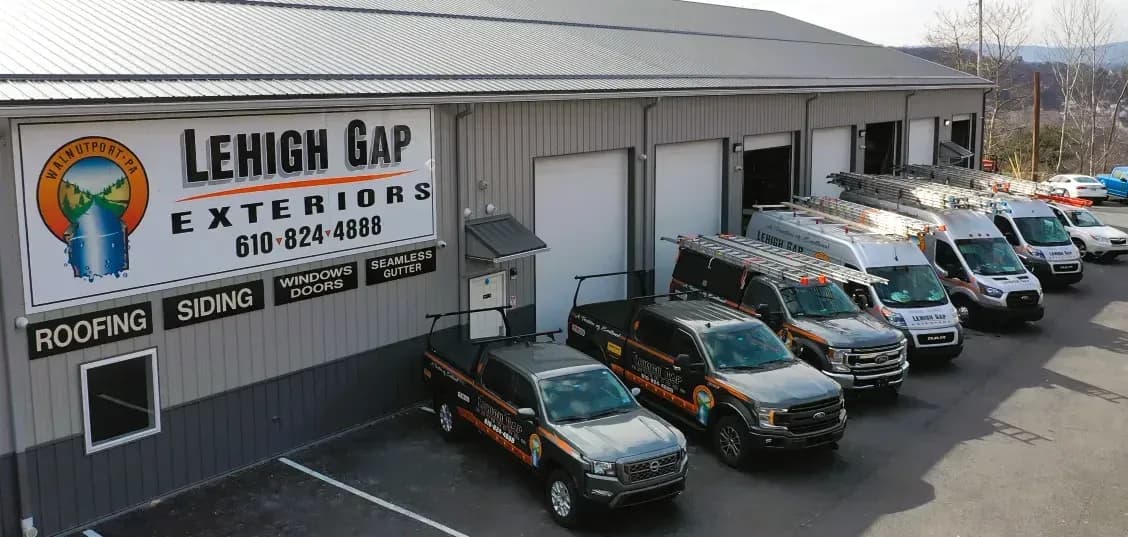
Lehigh Gap Exteriors specializes in Pike County home exteriors and understands the nuances of older homes—from vintage textures to updated energy standards. Their team can help you make a smart, long-lasting decision for your siding needs.

Real-World Examples: Repair vs. Replacement in Action

Case A: The Lakefront Cottage
A small lakeside cottage in Pike County had several boards deteriorating near the foundation due to splashback and moisture. A siding repair fixed those specific boards, sealing out water for another five years—perfect until the owners completed their interior renovations.

Case B: The Vintage Farmhouse
A century-old farmhouse sought to improve its insulation and appearance. With widespread warping and mismatched patches showing, the homeowners opted for full siding replacement with insulated fiber cement. The result: enhanced efficiency, cohesive character, and long-term protection.

Both scenarios worked—because the decision was based on actual damage, cost, and long-term plans, not just surface appearance.

Make the Right Choice for Your Pike County Home

When it comes to maintaining your Pike County home exterior, siding reflects more than surface beauty—it’s your barrier against weather, energy loss, and aging elements. Choosing between siding repair and siding replacement involves evaluating damage patterns, historical style, budget, energy performance, and long-term expectations.

If rot or failure is limited, repair can be smart, quick, and cost-efficient. But if damage is widespread or if you aim for improved insulation, consistency, and minimal maintenance, replacement may offer the better value.

Whatever path you choose, align with a trusted local contractor who knows Pike County’s weather, architecture, and regulations. At Lehigh Gap Exteriors, our team specializes in both refined repair work and value-driven replacements—built for your home’s future.

Ready to find out which approach suits your home best? Contact us to schedule your free exterior evaluation today.

Back to Blog
10 Year Workmanship Guarantee
Free Estimate 610.824.4888